


📑 Table of Contents
Fenugreek Seeds — An Ancient Medicinal Treasure
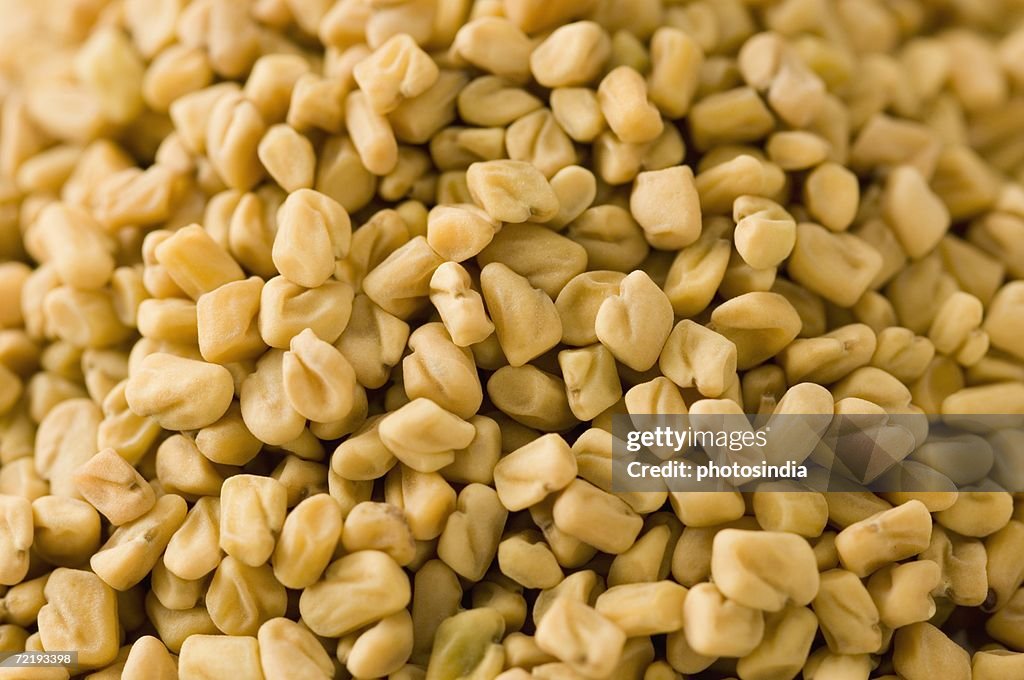
Fenugreek seeds (scientific name: Trigonella foenum-graecum) have been used for thousands of years in the kitchens and medicine cabinets of the Indian subcontinent, Middle East, Southern Europe, and North Africa. These small, golden-brown, cuboid-shaped seeds contain extraordinary nutritional properties that help solve various health problems.
In Ayurveda and Chinese medicine, fenugreek seeds are used to enhance digestion, treat skin problems, ease the childbirth process, and improve overall health. Modern research has also proven its benefits. Fenugreek seeds are especially effective for weight loss, blood sugar control, improving digestion, enhancing hair and skin beauty, and improving sexual health.
Fenugreek seeds can be used in four ways — Whole, Powder, Soaked, and Dry/Roasted. Each method has its own unique benefits. Below we will discuss each topic in detail.
Detailed Nutritional Value of Fenugreek Seeds
Fenugreek seeds are an extremely nutritious superfood. According to USDA FoodData Central, one tablespoon (11 grams) of fenugreek seeds contains:
What You Get in One Tablespoon (11g) of Fenugreek Seeds
- Calories: Only 35 calories
- Protein: About 3g — essential for hair and muscle building
- Fiber: About 3g — helps digestion and weight control
- Carbohydrates: 6g
- Fat: 1g
- Iron: 3.72 mg — more than 21% of daily requirement
- Magnesium: 21.2 mg — more than 5% of daily requirement
- Manganese: 0.137 mg — more than 6% of daily requirement
- Zinc: Helps boost immunity
- Copper: Improves blood circulation
According to experts, fenugreek seeds contain Galactomannan, a type of soluble fiber that plays an important role in controlling blood sugar. It also contains a rare amino acid called 4-Hydroxyisoleucine which helps in insulin secretion and is extremely beneficial for diabetes patients.
Fenugreek seeds are rich in flavonoids, saponins, alkaloids, tannins, and trigonelline, bioactive compounds responsible for its antioxidant, anti-inflammatory, and anti-cancer properties. Research by NIH (National Center for Biotechnology Information) has shown that sprouted fenugreek seeds have much higher antioxidant capacity than dry seeds.
Detailed Health Benefits of Fenugreek Seeds
An adult needs about 25–30 grams of fiber daily. A significant portion of this can come from fenugreek seeds. When you eat enough fiber-rich food, weight control, improved digestion, and reduced risk of heart disease become much easier.
Weight Control
Fenugreek seeds contain abundant galactomannan fiber, which swells in water to form a gel-like substance. This keeps the stomach full for a long time and controls the hunger hormone (Ghrelin). As a result, the tendency to overeat decreases. Regular consumption of a small amount of fenugreek seeds keeps metabolism in check, reduces excess calorie intake, and gradually helps maintain weight.
Blood Sugar Control
Fenugreek seeds help maintain blood sugar levels. The 4-hydroxyisoleucine and galactomannan fiber in it slow down the digestion of food, so blood sugar does not spike suddenly. In a study on Type-2 diabetes patients, those who consumed 5 grams of fenugreek seed powder twice daily for 2 months showed significant reductions in fasting blood sugar, belly fat, BMI, and HbA1c levels.
Reduces Risk of Heart Disease
The galactomannan fiber in fenugreek seeds helps reduce bad cholesterol (LDL) levels and increase good cholesterol (HDL) levels. Saponin compounds reduce cholesterol absorption. Thus, regular consumption of moderate amounts of fenugreek seeds keeps blood vessels healthy, maintains normal blood circulation, and may reduce the risk of heart disease.
Benefits for Sexual Health
Regular consumption of fenugreek seeds helps increase the body's testosterone hormone. The phytoestrogens and saponins in it improve blood circulation and may help boost sexual power and fertility. A study found that men who consumed 300 mg of fenugreek seed extract daily for 8 weeks showed significant increases in testosterone levels and sexual performance.
Keeps the Male Organ Healthy & Well-formed
Regular consumption of fenugreek seeds improves blood circulation and keeps muscle and tissue health in good condition. The testosterone-boosting ingredients and antioxidants in it help maintain the health and structure of the body's sexual organs. Regular consumption of moderate amounts of fenugreek seeds keeps the penis well-formed and functional. However, one should consult a doctor without expecting miracles.
Reduces Cancer Risk
The diosgenin and saponin in fenugreek seeds help prevent breast and prostate cancer. Its anti-inflammatory ingredients prevent tumor formation in the body and help control cancer cell growth. Flavonoids and polyphenols destroy free radicals in the body, reducing the risk of cancer.
Beneficial for the Nervous System
Fenugreek seeds are important for nerve health. The choline and potassium in it improve nervous system function. It helps boost memory and maintains mental focus and alertness. It may also help reduce the risk of dementia and Alzheimer's disease in the elderly.
Beautifies Hair and Skin
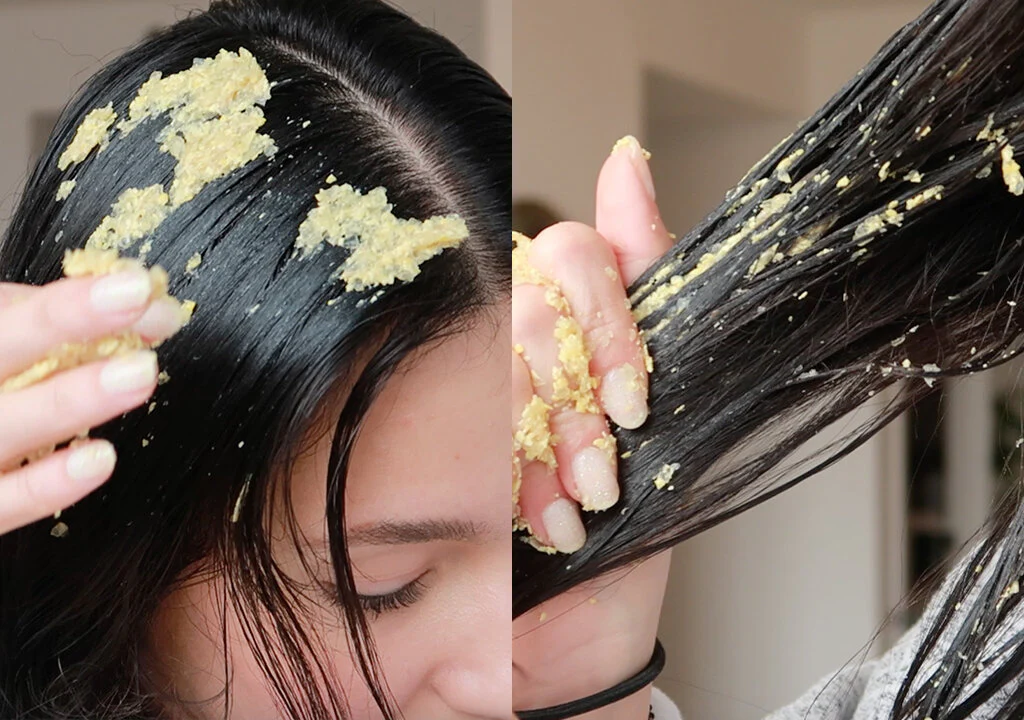
Fenugreek seed paste is excellent for hair and skin. It helps reduce hair fall, remove dandruff, and strengthen hair roots. Regular application of fenugreek paste makes skin soft and reduces pimples and wrinkles. It is also effective in enhancing skin glow. For hair, it contains iron, protein, lecithin, niacin, and vitamin C.
Boosts Digestion
Fenugreek seeds contain abundant dietary fiber, which helps keep the digestive process normal. It helps food digest easily and properly and maintains intestinal function. Regular consumption of fenugreek seeds makes it easy to avoid constipation and improves digestive power. Bloating, gas, acidity, and indigestion problems also decrease.
Increases Milk Production
Fenugreek seeds are especially effective in increasing breast milk production. The phytoestrogens in it increase the secretion of prolactin hormone, which helps new mothers increase milk supply. Traditionally in Bangladesh and India, fenugreek seeds are consumed during the postpartum period. It also helps keep the mother's health in good condition.
Enhances Nutritional Quality
Fenugreek seeds are rich in various important nutrients. It provides iron, magnesium, manganese, copper, and zinc, which are beneficial for the body. Adding fenugreek seeds to iron-rich food increases the nutritional value even more, and the body can easily get the required nutrients. It is especially beneficial for women.
Reduces Period Pain
The anti-inflammatory compounds in fenugreek seeds help reduce stomach pain and cramps during periods. It helps maintain hormonal balance and is also beneficial for women suffering from PCOS/PCOD problems. Regular consumption of fenugreek seeds regularizes the menstrual cycle.
Whole or Powder or Soaked or Dry — Which is More Beneficial?
The outer covering of fenugreek seeds is quite hard. So whole fenugreek seeds are not easily digestible. When soaked, all the nutrients inside the seeds are easily utilized by the body and the effectiveness of fiber increases. Below is a detailed comparison of the four methods:
⚖️ Comparative Analysis of Four Methods
🌰 Whole Seeds
Due to the hard outer shell, nutrients are not fully absorbed. However, shelf life is 2–3 years. Good for tempering in cooking and pickles. Works slowly in digestion.
🥄 Powder
Grinding increases surface area and nutrients are absorbed faster. Convenient as a spice in cooking, smoothies, and direct consumption. However, shelf life is shorter — 6–12 months. Taste is strong and bitter.
💧 Soaked Seeds
Most beneficial! Soaking overnight softens the seeds, releases nutrients, and makes digestion easier. Most effective for sugar control. Best consumed on an empty stomach in the morning.
🔥 Dry/Roasted
Light roasting reduces bitter taste and enhances aroma. Helps digestion and reduces gas problems. However, some nutrients may be destroyed at high temperatures. Can be used in tea or tempering.
🔬 Detailed Process — How to Prepare
1. How to Prepare Soaked Fenugreek Seeds (Most Beneficial)
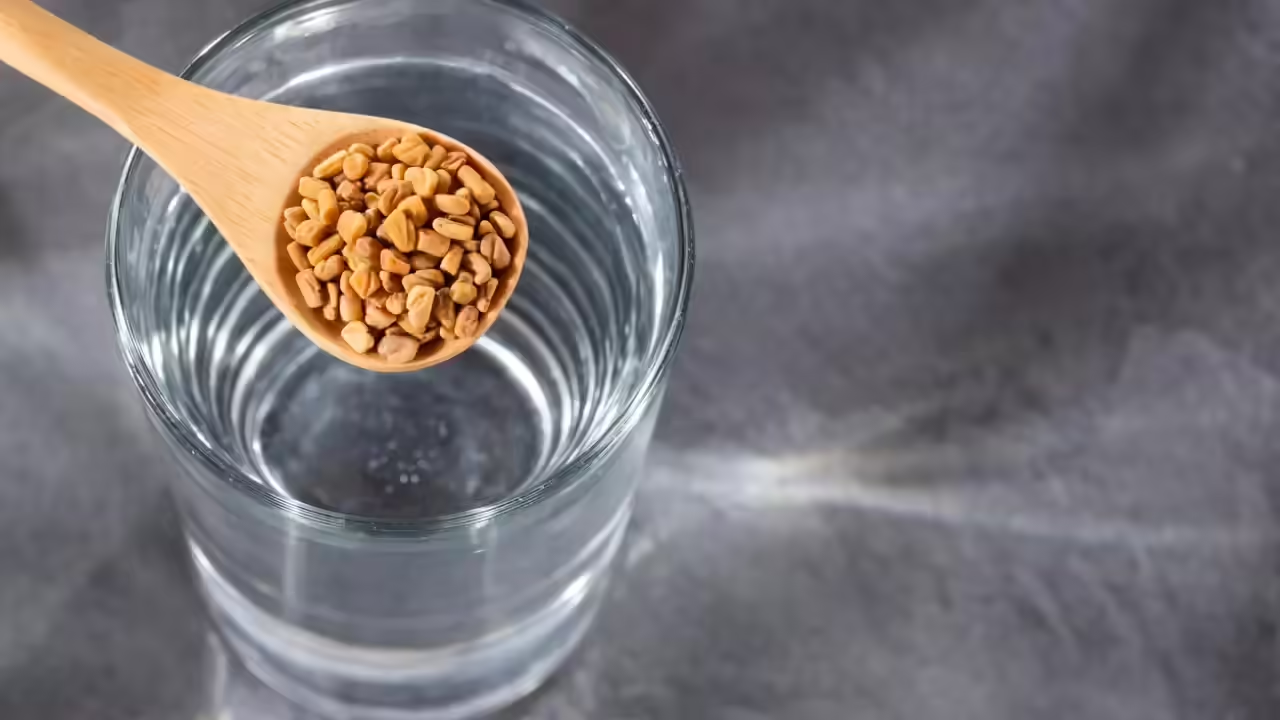
Ingredients: 1–2 tbsp fenugreek seeds, 1 glass of water
Method: Soak 1–2 tbsp of fenugreek seeds in a glass of water overnight. In the morning, drink the water and chew the seeds. You can also blend the seeds into a paste and mix with yogurt or honey.
Benefits: Consuming on an empty stomach in the morning detoxifies the body, cleanses the liver, controls sugar, and helps in weight loss.
💡 Tip: Consume regularly every morning. You will see results within 2–3 weeks.2. How to Prepare Fenugreek Seed Powder
Ingredients: ½ cup fenugreek seeds
Method: Lightly roast the fenugreek seeds (3–4 minutes). Cool and grind into powder using a coffee grinder or mixer. Store in an airtight container.
Usage: Mix 1 tsp in warm water and drink daily. Or mix with bread dough, smoothies, or yogurt.
⚠️ Caution: Use powder within 6–12 months. Keep away from light and moisture.3. How to Prepare Dry/Roasted Fenugreek Seeds
Ingredients: 2 tbsp fenugreek seeds
Method: Take fenugreek seeds in a pan and roast on medium heat for 2–3 minutes. Remove when seeds turn light brown. Cool and store in a glass jar.
Usage: Use as tempering in lentils, vegetables, or pickles. Or boil 2–3 seeds in tea.
💡 Tips: Roasted fenugreek seeds are excellent for gas and indigestion problems.4. How to Prepare Fenugreek Seed Tea
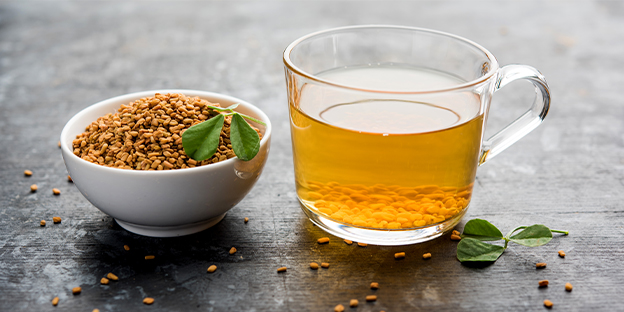
Ingredients: 1 tsp fenugreek seeds, 1 cup water, 1 tsp honey (optional), ½ lemon juice (optional)
Method: Boil fenugreek seeds in water for 5–7 minutes. Strain. Mix honey and lemon juice and drink while warm.
Benefits: This tea boosts digestion, helps in weight loss, and flushes out toxins from the body.
🕐 Time: Drink in the morning or half an hour after meals.Fenugreek Seeds for Hair Care — Detailed Guide
Fenugreek seeds are a natural ambrosia for hair. The protein, iron, lecithin, niacin, vitamin C, potassium, and antioxidants in it strengthen hair roots, reduce hair fall, remove dandruff, and make hair long, thick, and shiny. Research by WebMD and Healthline has shown that the flavonoids and saponins in fenugreek seeds reduce the effect of DHT (Dihydrotestosterone) hormone and prevent hair fall.
💇♀️ Ingredients in Fenugreek Seeds for Hair
The ingredients in fenugreek seeds responsible for hair health:
- Protein (3g/11g): Strengthens hair roots and helps in keratin formation
- Iron (21% DV): Increases blood circulation to hair roots, reducing hair fall
- Lecithin: Makes hair soft and smooth, removes dandruff
- Niacin (Vitamin B3): Stimulates hair growth
- Vitamin C: Helps in collagen production, strengthens hair roots
- Zinc: Helps repair hair tissue and growth
- Flavonoids & Saponins: Reduce dandruff and scalp infection with antifungal and anti-inflammatory properties
🧴 Fenugreek Seed Hair Mask Recipes
Recipe 1: Fenugreek Seeds & Yogurt Hair Mask (To Stop Hair Fall)
Ingredients:
- 2 tbsp fenugreek seeds
- 3 tbsp sour yogurt
- 1 tbsp olive oil
Preparation Method:
1. Soak fenugreek seeds in yogurt overnight (6–8 hours).
2. In the morning, blend into a smooth paste.
3. Mix in olive oil.
4. Apply to hair roots and entire hair.
5. Leave for 30 minutes to 2 hours, then wash with mild shampoo.
Result: Using 1–2 times a week will reduce hair fall and hair will become thicker.
Recipe 2: Fenugreek Seeds & Coconut Oil Hair Mask (For Hair Growth)
Ingredients:
- 2 tbsp fenugreek seeds
- 4 tbsp coconut oil
- 1 tbsp amla powder (optional)
Preparation Method:
1. Soak fenugreek seeds in water overnight.
2. Grind the seeds in the morning.
3. Mix coconut oil and amla powder to make a paste.
4. Massage well into hair roots.
5. Leave for 1 hour, then wash with shampoo.
Result: Hair will grow faster and hair roots will become stronger.
Recipe 3: Fenugreek Seeds & Lemon Juice Hair Mask (To Remove Dandruff)
Ingredients:
- 2 tbsp fenugreek seeds
- 1 tbsp lemon juice
- 1 tbsp honey
Preparation Method:
1. Soak fenugreek seeds overnight.
2. Grind into a paste in the morning.
3. Mix lemon juice and honey.
4. Apply thoroughly to the scalp.
5. Leave for 10–30 minutes, then wash.
Result: Dandruff will be removed and the scalp will be cleansed. Use once a week.
Recipe 4: Fenugreek Seeds & Egg Hair Mask (Protein Treatment for Hair)
Ingredients:
- 2 tbsp fenugreek seed paste
- 1 egg (yolk only or whole egg)
- 1 tbsp coconut oil
Preparation Method:
1. Soak and grind fenugreek seeds.
2. Beat egg and coconut oil together.
3. Apply from hair roots to tips.
4. Cover with a shower cap and leave for 30 minutes.
5. Rinse with cool water and shampoo.
Result: Hair will become soft, shiny, and vibrant. Use once a week.
📋 Rules for Using Fenugreek Seeds on Hair
- Quantity: Use 2–3 tbsp of fenugreek seeds each time.
- Frequency: Use hair mask 1–2 times a week.
- Time: Keep the mask for at least 30 minutes. Leaving it overnight gives even better results.
- Washing: Wash with mild shampoo. You can use conditioner.
- Patience: You must use regularly for at least 4–6 weeks to see results.
Fenugreek Seeds for Skin Care
Fenugreek seeds are also extremely beneficial for the skin. The antioxidants, vitamin C, and anti-inflammatory compounds in it help solve various skin problems.
✨ Fenugreek Seed Face Packs for Skin
Face Pack 1: Fenugreek Seeds & Honey (For Glowing Skin)
Ingredients: 1 tbsp fenugreek seed paste, 1 tbsp honey, ½ tbsp lemon juice
Method: Mix all ingredients and apply to face and neck. Leave for 15–20 minutes, then wash with cool water. Using 2 times a week will make skin bright and smooth.
Face Pack 2: Fenugreek Seeds & Yogurt (To Remove Pimples & Marks)
Ingredients: 1 tbsp fenugreek seed paste, 2 tbsp sour yogurt, a pinch of turmeric
Method: Apply the mixture to acne-prone areas. Leave for 20 minutes, then wash. Antibacterial properties will reduce pimples and lighten marks.
Face Pack 3: Fenugreek Seeds & Aloe Vera (To Reduce Wrinkles)
Ingredients: 1 tbsp fenugreek seed paste, 2 tbsp aloe vera gel
Method: Apply the mixture to face and under eyes. Leave for 20 minutes, then wash. Regular use will reduce wrinkles and tighten skin.
How to Add to Your Diet
You can easily add fenugreek seeds to your daily diet. Follow the methods below:
Ways to Use
- Soaked (Most Beneficial): Soak 1 tbsp fenugreek seeds in water overnight and drink the water on an empty stomach in the morning, chewing the seeds.
- With Yogurt or Oats: Mix into your breakfast. Nutrition will increase and taste will be good too.
- In Tea: Fenugreek seeds can be used to make a delicious and beneficial tea. Enhance taste with honey and lemon.
- Tempering in Cooking: Use as tempering in lentils, vegetables, or pickles. Both aroma and taste will increase.
- As Powder: Grind fenugreek seeds and mix with bread dough, smoothies, or cereals.
- In Water or Fruit Juice: Drink soaked fenugreek seed water (especially beneficial for sugar control).
- In Salad: Sprinkle sprouted fenugreek seeds on salad. Nutritional value will increase.
- In Soup and Stew: Adding a pinch of fenugreek seeds during cooking increases both taste and nutrition.
Precautions and Side Effects
⚠️ Caution
Fenugreek seeds are generally safe, but caution should be exercised in some cases:
- Pregnant Women: Excessive fenugreek seeds may increase the risk of miscarriage. Better not to consume in medicinal amounts without doctor's advice.
- Blood Thinning Medication: People taking warfarin or other anticoagulants should not consume fenugreek seeds without doctor's advice.
- Diabetes Medication: Fenugreek seeds lower blood sugar. Sudden hypoglycemia may occur with insulin or other diabetes medications.
- Allergy: If you have chickpea or peanut allergy, you may also be allergic to fenugreek seeds.
- Excessive Amount: Better not to consume more than 5–20 grams per day. Excessive consumption may cause bloating, diarrhea, nausea, and dizziness.
- Liver: Excessive amounts may be harmful to the liver.
If you are not used to it, start with a small amount. You can gradually increase the amount later.
🌿 Stay healthy naturally — Add fenugreek seeds to your diet today!